The beginning
My first journey to India began in Bengaluru—the capital of Karnataka and a city whose modern technology culture exists beside gardens, temples, markets, and layers of history.
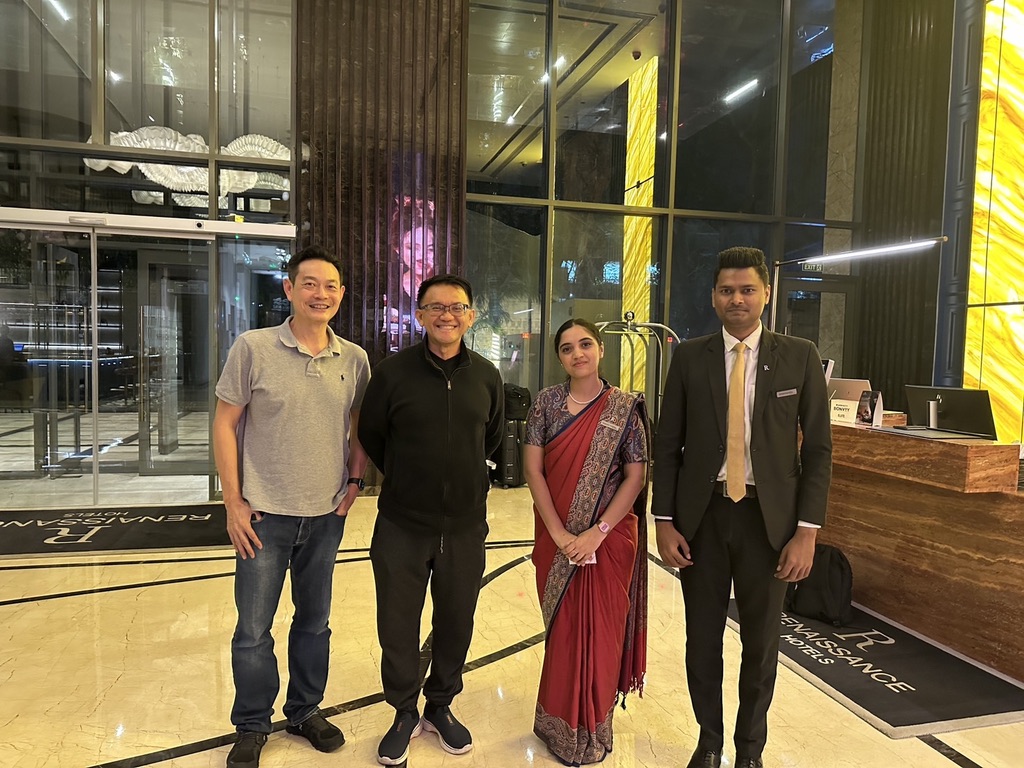
We landed, called an Uber, and went directly to Renaissance Bengaluru Race Course Hotel. The welcome from the team set the tone immediately: warm, generous, and personal. Our Marriott Bonvoy Titanium Elite status gave us access to breakfast and the Executive Lounge, but the real luxury was the sense that we had arrived somewhere ready to receive us.
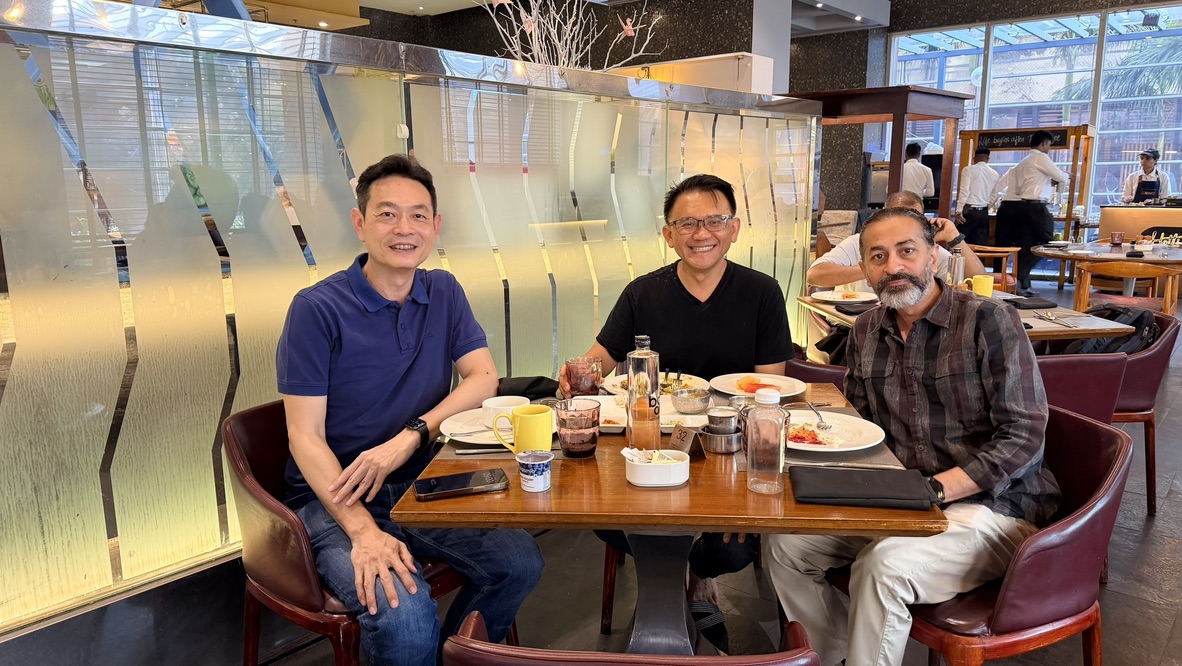
That first hotel breakfast became more than a benefit. It gave us a calm place to gather, talk through the days ahead, and settle into the time difference before Bengaluru began moving around us.
Creative partnership · PRYSM iO India
The business story began in a studio—not a boardroom.
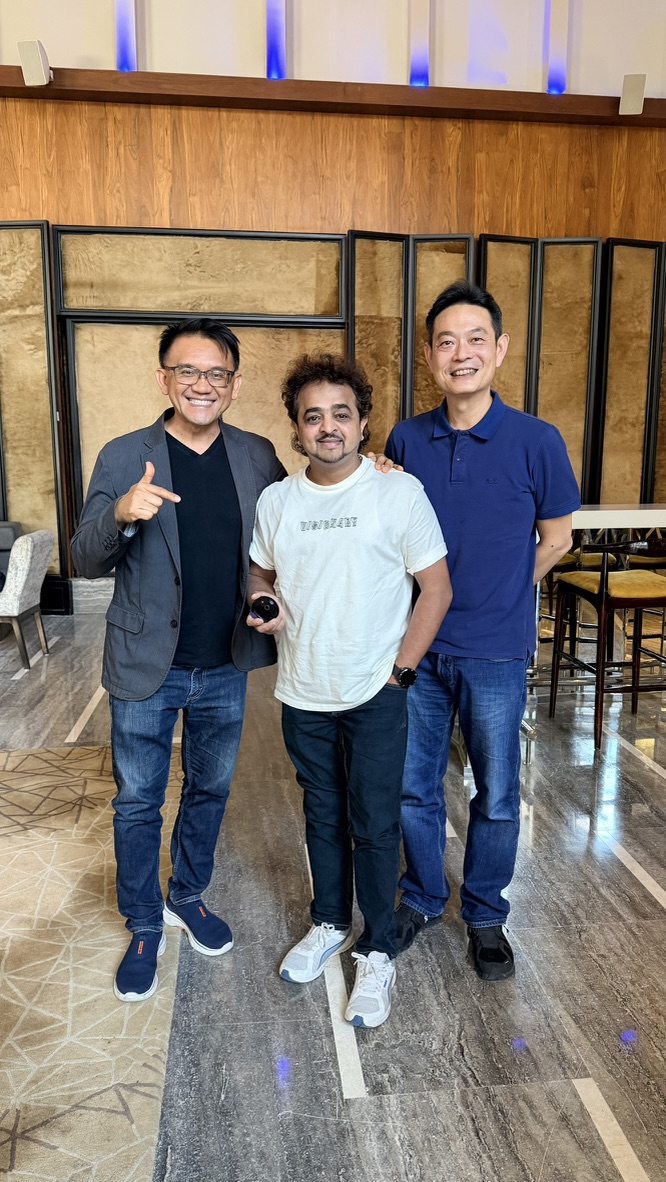
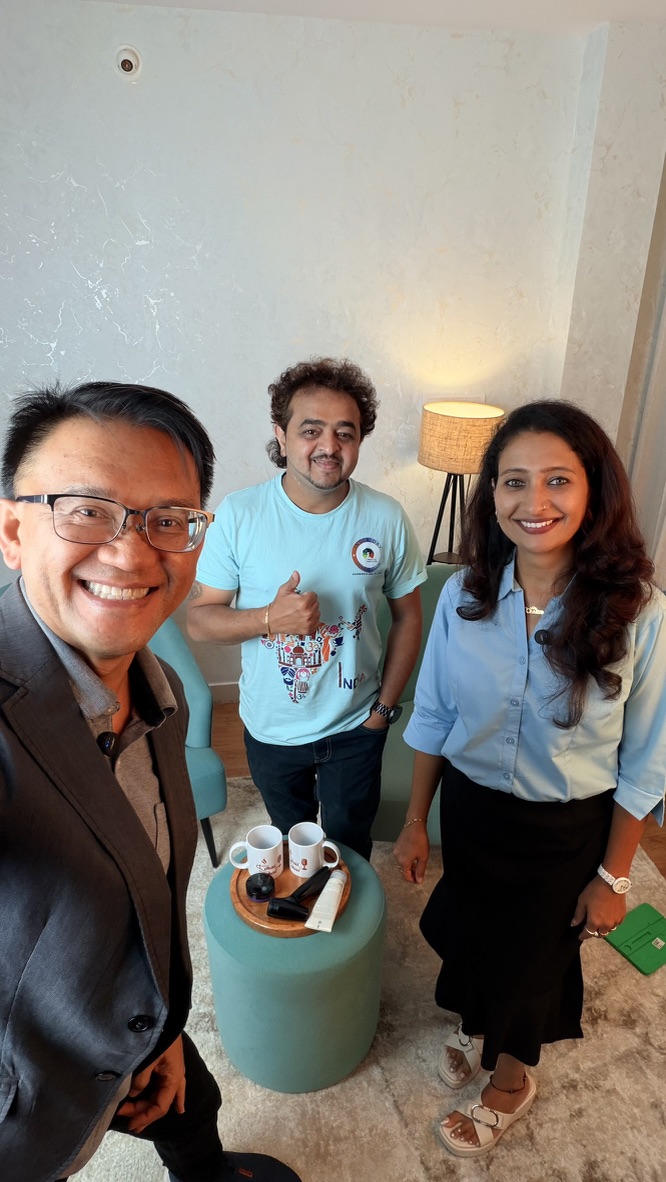
In Bengaluru I met Ananth, an artist and a new founder partner in our Nu Skin business. His creative perspective made him a natural person to explore the launch of PRYSM iO in India: a technology story that needed to feel human before it could feel global.
We scheduled a vlog session and spent time translating the idea into conversation. Rather than treating the launch as a presentation, we talked about what intelligent wellness could mean in everyday life: a quick, non-invasive scan, a visible signal, and a more approachable way to begin asking better questions.

A brief history of Bengaluru
A garden city
built in layers.
The city commonly known internationally as Bangalore traces its modern foundation to Kempe Gowda I in the sixteenth century. Over time it grew through regional dynasties and British colonial influence, then became one of India’s most important centers for science, technology, design, and entrepreneurship.
Bengaluru is still called the Garden City. Cubbon Park, established in 1870, stretches across roughly 300 acres in the center of the city, while Lalbagh’s botanical history reaches back to the eighteenth century. That greenery gives Bengaluru a softness that sits in contrast with its traffic, towers, and fast-moving business culture.
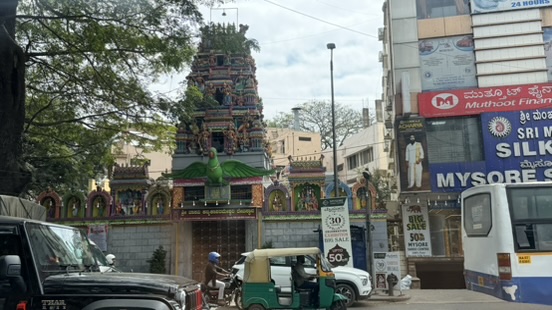
We walked along Church Street and moved through the central city—watching Kannada signs, temple color, restaurants, offices, and auto-rickshaws enter and leave the frame. The pleasure was not checking off landmarks. It was noticing how many versions of Bengaluru could exist on the same street.
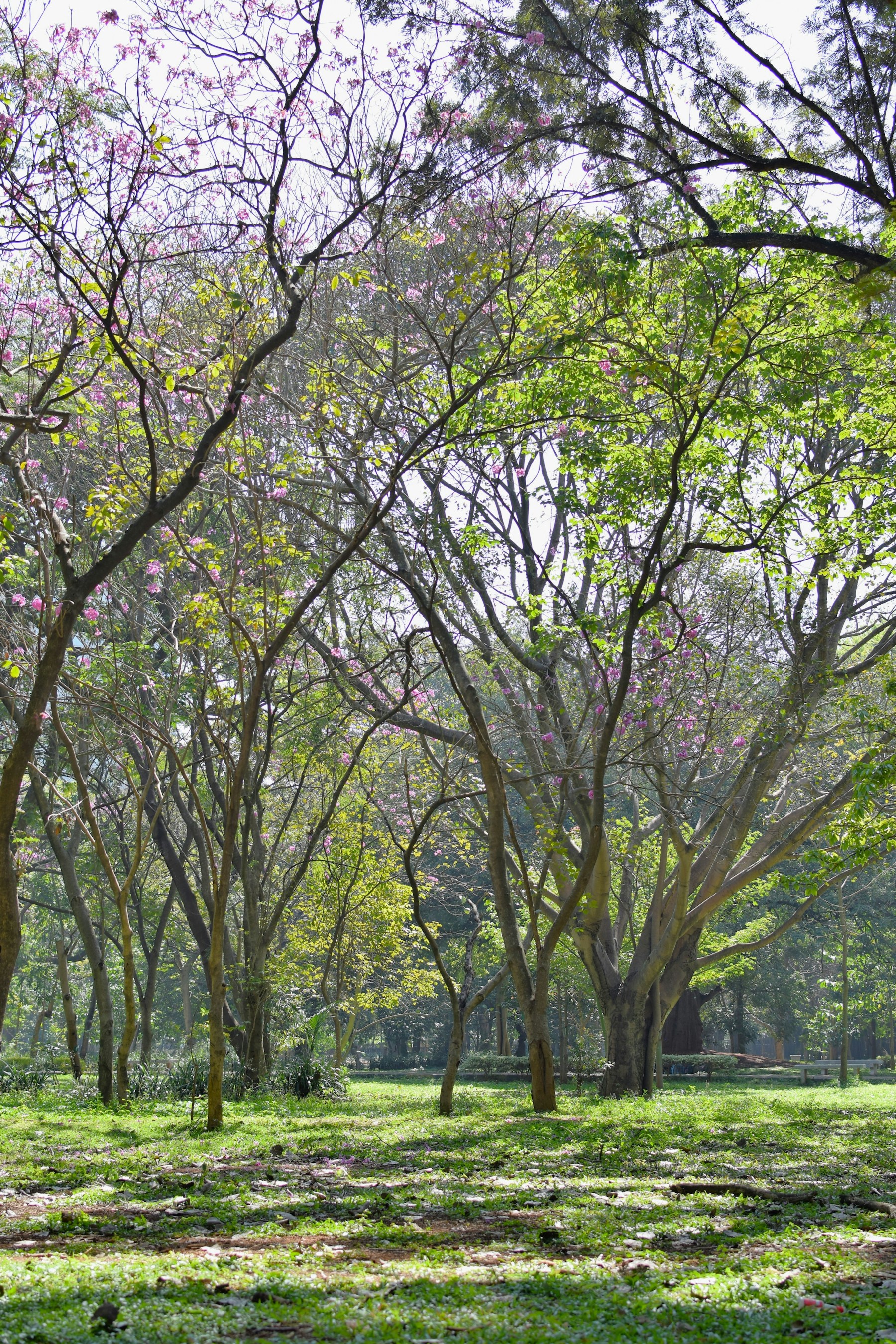
The garden-city contrast: mature trees, flowering canopies, and quiet green space in central Bengaluru.
Photograph by Mohnish Landge · Unsplash ↗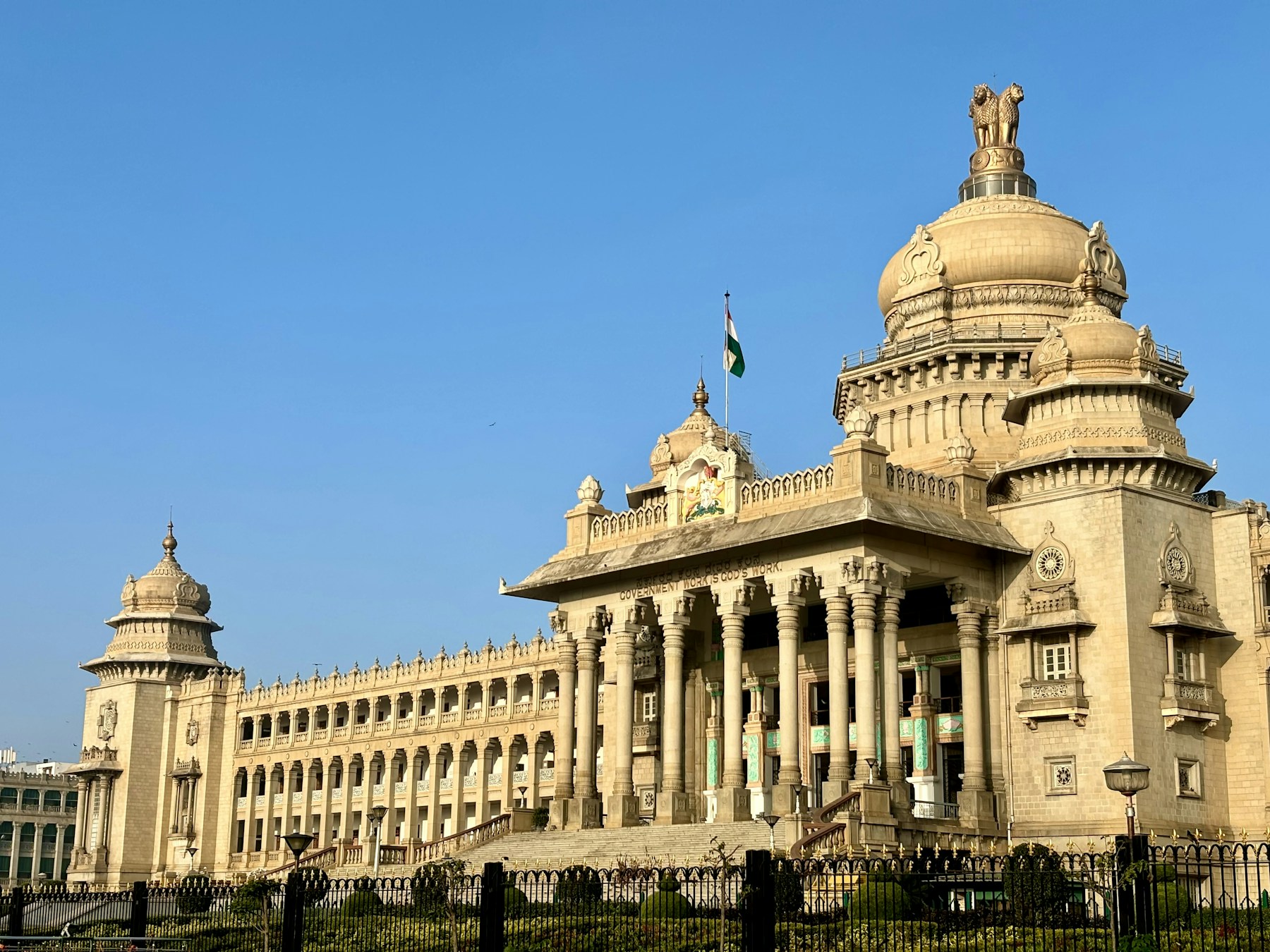
A monumental civic landmark in the heart of Bengaluru, expressing the city’s architectural and political history.
Photograph by Jayanth Muppaneni · Unsplash ↗Hospitality, translated
A city is often best understood around a table.
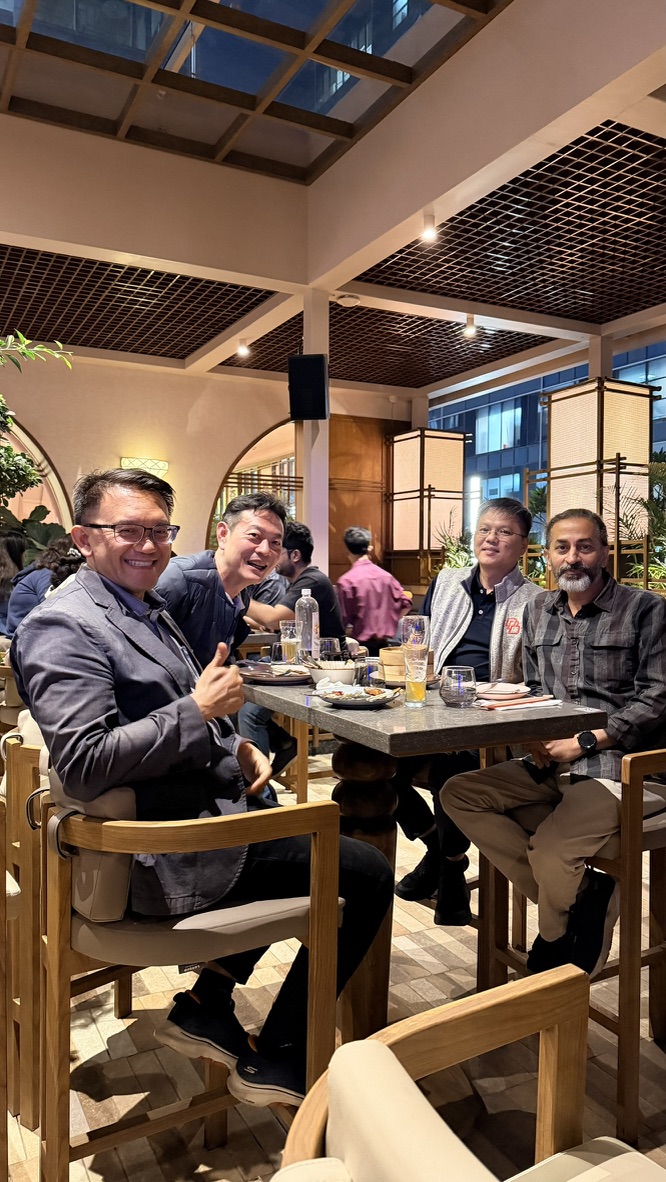
Ananth treated us to a wonderful vegetarian meal, and the hours around it became one of the clearest memories of the visit. Bengaluru’s food culture is broad, but this meal captured what I felt throughout the stay: generosity without performance and conversation without hurry.
Bengaluru → Ahmedabad
One last Bengaluru conversation—at 30,000 feet.
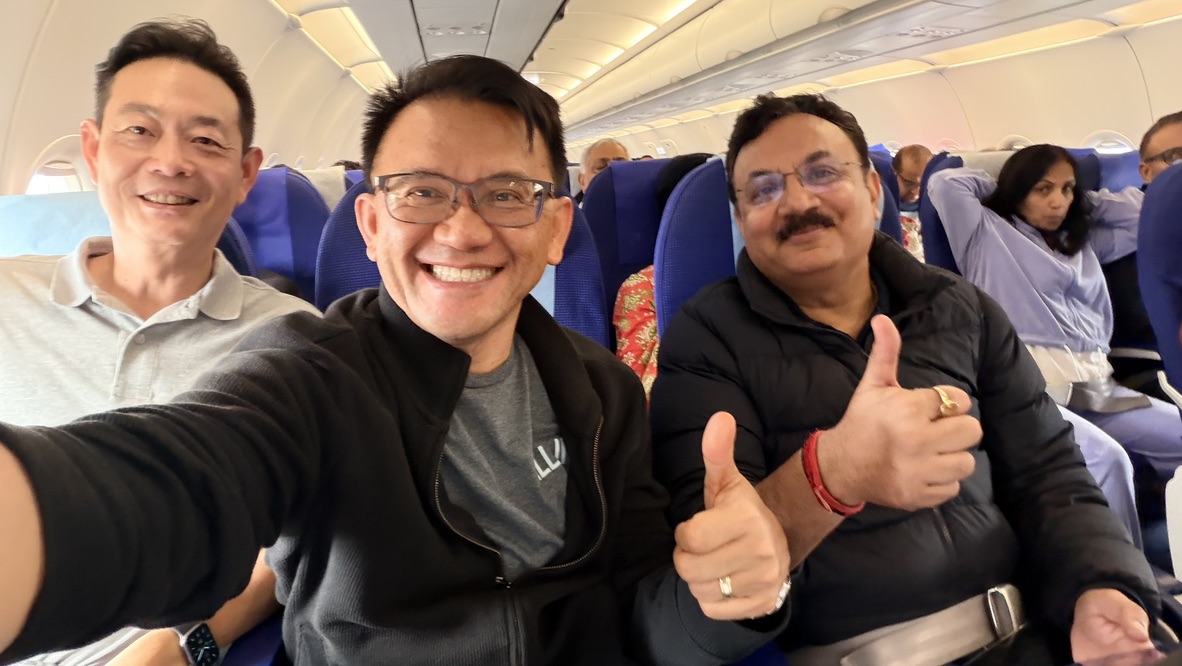
On the flight to Ahmedabad, we met an executive connected with Amul, the iconic dairy cooperative brand managed by India’s largest food-product marketing organization. A friendly exchange became an opportunity to share the PRYSM iO launch—and even offer a scan during the flight.
That spontaneous moment captured the spirit of the entire Bengaluru visit. The best introductions did not feel arranged. They emerged through openness, curiosity, and the willingness to share an idea wherever people happened to meet.
What Bengaluru left with me
My first city in India taught me that entering a new market begins the same way a meaningful journey does: arrive curious, listen carefully, and let the people change the plan.
There was business in this visit, but the lasting memory is human—hotel staff who made arrival easy, friends who shared their table, creators who made time for a new story, and a city that revealed itself gradually rather than all at once.